

The iPhone 18 Pro Max is not the kind of upgrade that immediately makes the previous model feel outdated. Instead, it takes the familiar iPhone Pro Max formula and makes a series of smaller but interesting changes.
There is a faster chip, a new variable-aperture main camera, a slightly narrower Dynamic Island, some subtle design refinements, and a fresh set of colors. Beyond those changes, however, the phone looks and feels remarkably similar to the iPhone 17 Pro Max.
In the past, an update like this would have fit perfectly into Apple's old "S-series" approach. The exterior would remain mostly unchanged, the processor would receive a significant upgrade, and Apple would make a few improvements to the cameras and other internal components.
Apple doesn't use that naming strategy anymore. Instead, this is officially a new generation, and that comes with a higher price. The iPhone 18 Pro Max costs $100 more in the U.S., €150 more in Europe, and £100 more in the UK compared with last year's iPhone 17 Pro Max.
That naturally raises an important question: how much has actually changed?
After spending some time with the phone, the answer is fairly straightforward. The iPhone 18 Pro Max is still very much an evolution of the previous generation. Some of the upgrades are genuinely interesting, especially the new chip and main camera, but the overall physical experience remains extremely familiar.
And there is one thing you will notice almost immediately.
This phone is heavy.
Unboxing: Apple Keeps Things Simple

There isn't much to say about the iPhone 18 Pro Max's box, and that's pretty much the point.
Apple has continued its minimalist approach to smartphone packaging. Open the box and you'll find the phone itself along with a USB-C cable.
That's essentially it.
There is no charger, no collection of accessories, and nothing particularly surprising waiting underneath the phone. At this point, Apple's decision to leave the charger out of the box isn't unexpected. Still, the included cable feels increasingly noteworthy as manufacturers continue trimming down what comes with their flagship devices.
The cable itself is useful, of course. Apple has already moved away from its proprietary Lightning connector, so the USB-C connection also means iPhone users can share chargers and accessories with a much wider range of devices.
The bigger question is how long manufacturers will continue including cables at all. Flagship smartphone boxes have become progressively emptier over the years, and Apple has been one of the companies pushing that minimalist approach.
For now, though, the USB-C cable is still there, and that's better than opening the box to find absolutely nothing useful.
Overall, the unboxing experience is about as straightforward as you can get. Apple isn't trying to make the packaging feel luxurious through a pile of accessories. The focus is almost entirely on the phone.
And this year's phone does have some interesting new colors.
Burgundy Gives the iPhone 18 Pro Max More Personality

Of the new finishes, Burgundy is easily one of the most interesting choices.
The color is essentially a dark red, but it doesn't look exactly the same under every type of lighting. In darker conditions, it can appear deeper and more restrained, while brighter light brings out more of the red tones.
That gives the phone a little more character without making it look overly flashy.
Color might seem like a minor part of a smartphone's design, but it has become increasingly important. Flagship phones have reached a point where their basic shapes and camera layouts often remain almost identical from one year to the next. When the hardware itself doesn't change dramatically, a new finish can make a phone feel noticeably different.
The Burgundy iPhone 18 Pro Max benefits from exactly that effect.
It gives Apple's largest iPhone a more distinctive look while still retaining the premium appearance you'd expect from a Pro Max model.
There is another subtle design change on the back, and it works particularly well with this finish.
A More Uniform Rear Panel

The rear glass is now color-matched more closely with the surrounding metal.
On paper, that sounds like a very small adjustment. In person, however, it gives the rear panel a more cohesive appearance.
On the previous generation, the contrast between the glass and metal could be more noticeable. The iPhone 18 Pro Max takes a slightly more unified approach, allowing the different materials to blend together visually.
The Burgundy model benefits from this more than most. Because the finish is darker, the glass and metal appear to flow into one another more naturally.
This is not a major redesign, though.
Put the iPhone 18 Pro Max next to the iPhone 17 Pro Max and you could easily mistake one for the other at a glance. The familiar camera arrangement, overall shape and general proportions are still very much part of the same design family.
That's clearly intentional.
Apple has spent several generations refining the same basic hardware language rather than starting from scratch every year. The iPhone 18 Pro Max continues that philosophy. Instead of completely changing the look, Apple has made a few adjustments around the edges.
And once you pick the phone up, another characteristic becomes much more obvious.
The iPhone 18 Pro Max Is Seriously Heavy

The biggest immediate difference between the iPhone 18 Pro Max and smaller iPhone models isn't necessarily something you can see.
It's the weight.
At 249 grams, the iPhone 18 Pro Max is the heaviest Pro Max model yet. That number might not sound particularly dramatic when you're looking at a specification sheet, but you can definitely feel it in your hand.
The difference becomes especially noticeable if you're coming from a smaller phone. Moving from a standard or smaller Pro model to the Pro Max means getting used to both a larger footprint and a heavier body.
There's also an interesting comparison to Apple's foldable iPhone Duo. The iPhone 18 Pro Max is reportedly only 6 grams lighter than Apple's full-fledged foldable.
That's quite striking when you consider what a foldable phone has to accommodate. Foldables typically need additional hardware for their second display, hinge mechanism and folding structure. A conventional slab-style smartphone doesn't have those same requirements.
Yet the iPhone 18 Pro Max comes surprisingly close in weight.
For some people, that won't matter much. Anyone buying a Pro Max is probably already looking for the largest display and battery Apple offers in a conventional iPhone, and a heavier body is part of that trade-off.
For others, 249 grams is a lot to carry around all day.
You can feel the weight more when using the phone one-handed for long periods, holding it while watching videos, or simply carrying it in your pocket throughout the day.
The iPhone 18 Pro Max is not trying to be a lightweight flagship. It is Apple's largest conventional iPhone, and its physical presence is impossible to ignore.
The Main Camera Gets a Variable Aperture
The camera system brings one of the more interesting hardware changes this year.
The main camera now has a variable aperture.
In simple terms, a variable aperture allows the camera to adjust the size of the opening through which light reaches the sensor. Unlike a fixed aperture, it can change depending on the shooting situation.
On paper, that gives the camera additional flexibility. It could potentially help in different lighting conditions and provide greater control over how the camera handles a scene.
It's certainly an interesting addition to a smartphone camera.
But whether it makes a major difference in everyday photography is another matter.
Modern smartphone photography relies heavily on computational photography. Phones combine multiple frames, apply sophisticated image processing and use software algorithms to produce the final image. Because of that, a hardware feature can look impressive on a specification sheet without necessarily producing a dramatic difference in the photos most people take every day.
That's why the variable aperture needs proper testing.
There could be certain situations where the additional physical control proves useful. Challenging lighting, particular shooting conditions and situations where controlling the amount of light entering the sensor matters could all potentially benefit.
But it's too early to say whether average iPhone users will notice a major improvement.
For now, the variable aperture is best viewed as an interesting new capability rather than a guaranteed reason to upgrade.
How much it matters will depend heavily on how Apple's camera software uses it.
A full review with extensive camera testing should provide a much clearer answer.
The Front Looks Familiar, But the Dynamic Island Is Slightly Smaller

Turn the phone around and the differences become even harder to spot.
The front of the iPhone 18 Pro Max looks very familiar. The overall display design remains recognizable, the shape hasn't been radically altered, and Apple's established Pro Max design language continues.
There is one small change, though.
The Dynamic Island is slightly narrower.
It's not a dramatic difference, and it certainly doesn't transform the appearance of the display. But it is another small step toward reducing the visual footprint of the front-facing hardware.
Apple has been gradually working toward a cleaner display experience, and even small reductions to the Dynamic Island contribute to that effort.
Still, don't expect to pick up the iPhone 18 Pro Max and immediately notice the narrower Dynamic Island. Compared directly with the previous model, the difference is subtle.
The overall impression remains unmistakably Pro Max.
Evolution Instead of Reinvention
When all the changes are considered together, the direction of the iPhone 18 Pro Max becomes pretty clear.
This is an evolutionary update rather than a complete redesign.
Apple has upgraded the processor, introduced a variable-aperture main camera, slightly narrowed the Dynamic Island, added new colors and refined the relationship between the rear glass and metal.
But the fundamental design remains the same.
That's not necessarily a problem. Smartphone design has reached a point where completely new hardware designs every year are becoming increasingly difficult to justify. Flagships are already highly developed products, so manufacturers are focusing more on incremental improvements to performance, camera technology, battery efficiency, displays and software.
The iPhone 18 Pro Max fits neatly into that trend.
The bigger issue is the price increase.
Apple is charging $100 more in the U.S., €150 more in Europe and £100 more in the UK than it did for last year's iPhone 17 Pro Max. That means the individual upgrades matter more than they might have if the price had stayed the same.
The new processor needs to deliver noticeable improvements in performance or efficiency. The variable-aperture camera needs to prove that it can make a meaningful difference in real-world photography. And the visual refinements need to provide enough distinction for buyers who care about the phone's appearance.
Ultimately, the complete package needs to make sense at the higher price.
First Impressions

After spending some time with the iPhone 18 Pro Max, the first thing that stands out is just how familiar it feels.
Apple hasn't tried to reinvent the Pro Max design. There is no dramatic new shape, no completely different camera layout and no major change to the way the phone feels in your hand.
Instead, Apple has taken an already established formula and refined it.
The Burgundy finish is one of the more noticeable changes from a visual perspective. It gives the phone a darker, richer appearance, while the color-matched rear glass and metal create a cleaner overall look.
The slightly narrower Dynamic Island is another small but welcome refinement, although it isn't something most users are likely to notice immediately.
The camera system is arguably more interesting from a technical standpoint. The addition of a variable aperture gives the main camera a new capability that wasn't available before.
However, the real value of that feature can't be judged from specifications alone. Smartphone camera hardware often sounds more impressive on paper than it feels in everyday use, so extensive testing will be needed to determine whether the variable aperture genuinely improves image quality or shooting flexibility.
Then there's the weight.
At 249 grams, the iPhone 18 Pro Max is undeniably substantial. Anyone moving up from a smaller phone will notice the difference almost immediately. Even people who are already comfortable with large flagship phones may find the weight considerable.
But that heft is part of what Apple is offering here. The Pro Max is designed to be the company's biggest conventional iPhone, combining a large display and a substantial amount of hardware into one device.
In that sense, the iPhone 18 Pro Max feels less like the beginning of a new chapter and more like a carefully updated version of an established flagship.
That's why the comparison with Apple's old S-series approach feels appropriate.
The basic hardware remains familiar, the processor moves to a new generation, the camera system gets some attention and there are a few design refinements around the edges.
The major difference is that Apple now gives the phone a full-generation number instead of an "S" designation.
And this time, that new generation also comes with a higher price.
Whether the changes justify that increase will ultimately depend on how the phone performs in everyday use.
The variable aperture is probably the feature worth watching most closely. It is one of the more interesting additions on paper, but its real-world impact remains uncertain until the camera has been tested extensively.
The new chip also deserves a closer look, particularly when it comes to sustained performance, efficiency and battery life.
For now, though, the iPhone 18 Pro Max presents itself as a refined flagship rather than a radical new device.
It has a familiar design, a new processor, updated camera hardware, fresh color options, a slightly smaller Dynamic Island and a very substantial 249-gram body.
The Burgundy model gives it some much-needed visual character, while the color-matched rear glass and metal create a more cohesive appearance.
The unboxing experience remains extremely simple, with the USB-C cable being the main bundled accessory.
Ultimately, the iPhone 18 Pro Max is all about refinement. Apple has taken a formula that was already well established and made a collection of targeted improvements rather than trying to reinvent the iPhone.
The result is a flagship that looks and feels familiar but still has enough new hardware to make the generation technically interesting.
The bigger question is whether those improvements are enough to justify the higher price.
That answer will have to wait for a complete review covering the camera, performance, battery life, display and day-to-day usability. For now, the iPhone 18 Pro Max leaves the impression of a mature flagship that has received a carefully selected set of upgrades rather than a phone designed to completely redefine the iPhone experience.
More Reviews

Today's Best Deals
Exclusive Prices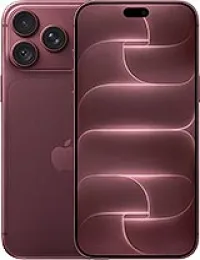




Discussion (Join the conversation)
No comments yet. Be the first to share your thoughts!
Please log in to leave a comment.
Login / Register