

| Prices | Price (USD) | USD $180.00 USD |
|---|---|---|
| Official Price | Global About 230 EUR | |
| Network | Technology |
GSM / HSPA / LTE
|
| Launch | Announced | 2015, November. Released 2015, November |
| Status | Discontinued | |
| Body | Dimensions | 150 x 76 x 8.7 mm (5.91 x 2.99 x 0.34 in) |
| Weight | 164 g (5.78 oz) | |
| SIM | Dual SIM (Micro-SIM, dual stand-by) | |
| Display | Type | IPS LCD |
| Size | 5.5 inches, 82.6 cm2 (~72.4% screen-to-body ratio) | |
| Resolution | 1080 x 1920 pixels, 16:9 ratio (~403 ppi density) | |
| Platform | OS | Android 5.0.2 (Lollipop), MIUI 7 |
| Chipset | Mediatek MT6795 Helio X10 (28 nm) | |
| CPU | Octa-core 2.0 GHz Cortex-A53 | |
| GPU | PowerVR G6200 | |
| Memory | Card slot | No |
| Internal | 16GB 2GB RAM, 32GB 3GB RAM | |
| Features | eMMC 5.0 | |
| Main Camera | Single | 13 MP, f/2.2, PDAF |
| Features | Dual-LED dual-tone flash, HDR, panorama | |
| Video | 1080p@30fps | |
| Selfie camera | Single | 5 MP, f/2.0 |
| Features | HDR | |
| Video | 1080p@30fps | |
| Sound | Loudspeaker | Yes |
| 3.5mm jack | Yes | |
| Features | 24-bit/192kHz audio | |
| Comms | WLAN | Wi-Fi 802.11 a/b/g/n/ac, dual-band, Wi-Fi Direct, hotspot |
| Bluetooth | 4.1, A2DP, LE | |
| Positioning | GPS, GLONASS, BDS | |
| NFC | No | |
| Radio | Stereo FM radio, recording | |
| USB | microUSB 2.0, OTG | |
| Infrared port | Yes | |
| Features | Sensors | Fingerprint (rear-mounted), accelerometer, gyro, proximity, compass |
| Battery | Type | Li-Po 4000 mAh, non-removable |
| Charging | 10W wired | |
| Stand-by | Up to 264 h (3G) | |
| Music play | Up to 60 h | |
| Misc | Colors | Silver, Gray, Gold |
| SAR EU | 0.33 W/kg (head) | |
| Price | About 180 EUR | |
| Our Tests | Performance |
Basemark OS II 2.0: 1018 Basemark X: 8540 |
| Display | Contrast ratio: 953 (nominal), 2.249 (sunlight) | |
| Camera | Photo / Video | |
| Loudspeaker | Voice 66dB / Noise 66dB / Ring 75dB | |
| Audio quality | Noise -94.2dB / Crosstalk -93.7dB | |
| Battery (old) | Endurance rating 72h |
Mini Review & Verdict
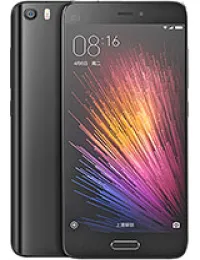
A smart summary of the Xiaomi Redmi Note 3 (MediaTek)
Advantages
- Convenient 3.5mm analog headphone port for zero-latency wired audio
Disadvantages
- Network capability is capped at 4G LTE speeds without native 5G bands
- Employs standard LCD panel technology rather than deep-black AMOLED
- Fixed internal storage configuration without expandable MicroSD card support
Arriving with an assertive focus on market competitiveness, the Xiaomi Redmi Note 3 (MediaTek) enters the mobile landscape offering a compelling hardware package tailored to deliver maximum return on investment. The device commands visual attention through its modern responsive IPS LCD panel measuring 5.5 inches , which brings punchy saturation, deep blacks, and excellent dynamic range to a competitive tier.
At the engine room of the device, processing duties are commanded by the energetic Mediatek MT6795 Helio X10 (28 nm). This configuration provides ample headroom for fluid split-screen multitasking, responsive touch polling, and smooth graphical transitions across daily applications. Imaging requirements are addressed by an agile primary camera—centered on a 13MP primary sensor—yielding clean, share-worthy captures with respectable dynamic range and accurate white balance.
Battery longevity is secured through a 4000mAh battery unit, backed by standard charging speeds to ensure users spend more time active and less time anchored to wall outlets. When evaluated against rival contemporaries, the Xiaomi Redmi Note 3 (MediaTek) presents an undeniable value proposition that punches well above its weight class.
User Opinions
0 ReviewsPrice History
Track price trends for Redmi Note 3 (MediaTek) over the last 6 months









Be the first to review!