
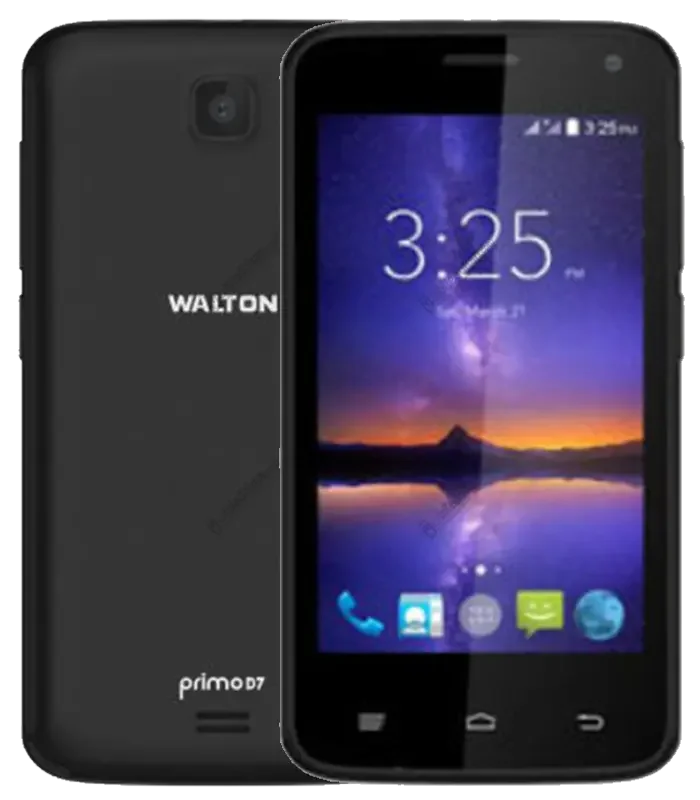
| Prices | Price (USD) | USD $30.75 USD |
|---|---|---|
| Network | Technology |
2G, 3G
|
| Launch | Announced | 2016, January 01 |
| Status | Available. Released 2016, January 01 | |
| Body | Weight | 145 grams |
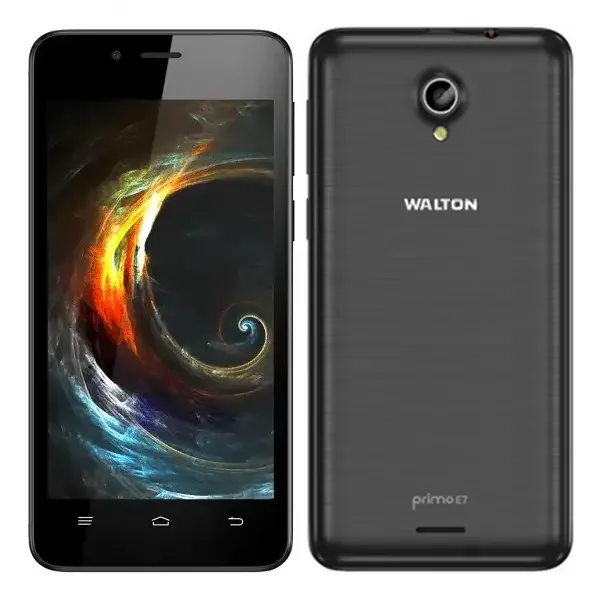
| Build | Glass front, plastic back, plastic frame | |
| Height | 123 mm | |
| Width | 64.5 mm | |
| Thickness | 10 mm | |
| Colors | Black, White, Blue | |
| Display | Type | IPS LCD |
| Resolution | 480x800 px | |
| Protection | Gorilla Glass | |
| Screen Size | 4.0 inches (10.16 cm) | |
| Aspect Ratio | 16:9 | |
| Bezel-less Display | Yes with notch | |
| Touch Screen | Capacitive Touchscreen, Multi-touch | |
| Notch | Yes | |
| Platform | OS | Android |
| CPU | Quad-Core 1.3GHz ARM Cortex A7 | |
| GPU | ARM Mali-400 MP1 | |
| OS Version | v4.4.2 (KitKat) | |
| CPU Cores | 4 Cores | |
| Architecture | 32 bit | |
| Memory | Internal Storage | 4 GB |
| USB OTG | Yes | |
| RAM | 512 MB | |
| Main Camera | Camera Setup | Single |
| Resolution | 2 MP, Primary Camera | |
| Image Resolution | 2592 x 1944 Pixels | |
| Autofocus | Yes | |
| Flash | LED Flash | |
| Settings | Exposure compensation, ISO control | |
| Zoom | Digital Zoom | |
| Shooting Modes | Continuous Shooting, High Dynamic Range mode (HDR), Burst mode, Macro Mode | |
| Video Recording | 1280x720 | |
| Video FPS | 30 fps | |
| Video | 1280x720 | |
| Selfie camera | Camera Setup | Single |
| Resolution | 0.3 MP, Primary Camera | |
| Sound | Loudspeaker | Yes |
| 3.5mm jack | 3.5 mm | |
| FM Radio | Yes | |
| Video | 720p@30fps | |
| Document Reader | Yes | |
| Comms | WLAN | Wi-Fi 4 (802.11 b/g/n) |
| Bluetooth | v4.0 | |
| Positioning | Yes with A-GPS | |
| USB | Mass storage device, USB charging, microUSB 2.0 | |
| Wi-fi Hotspot | Yes | |
| Features | Light Sensor | Light sensor, Proximity sensor, Accelerometer |
| Battery | Type | Li-Ion (Lithium-Ion) 1400 mAh |
| Placement | Removable | |
| Misc | Release Date | 01 January 2016 |
| Status | Available | |
| Features | Proximity sensor, Accelerometer |
Mini Review & Verdict
A smart summary of the Walton Primo D7
Advantages
- Solid baseline hardware configuration meeting essential smartphone requirements
- User-friendly form factor with straightforward physical handling
Disadvantages
- Network capability is capped at 4G LTE speeds without native 5G bands
Taking a comprehensive view of its technical merits, the Walton Primo D7 demonstrates a thoughtful balance of hardware capabilities and refined design within Walton's catalog. Visual duties are assumed by a competent responsive IPS LCD screen measuring 4 inches , delivering high-definition clarity, balanced color temperatures, and generous dynamic range for reading and streaming.
Processing throughput is sustained by the well-matched Dedicated Multi-core Processor, offering dependable operational stability across varied software demands. Multitasking, web browsing, and multimedia applications execute with dependable rhythm and stable thermal dissipation. Photography needs are addressed with confidence by the primary optical setup—centered on a 2MP primary sensor—which maintains pleasing clarity, controlled noise thresholds, and reliable low-light composure.
Longevity is anchored by a 1400mAh battery unit, backed by standard charging speeds designed to comfortably see users through full days of unhindered mobile operation. In conclusion, the Walton Primo D7 represents a sensible, thoroughly calibrated package that satisfies demanding real-world criteria across the board.
User Opinions
0 ReviewsPrice History
Track price trends for Primo D7 over the last 6 months








Be the first to review!