

| Prices | Price (USD) | USD $190.00 USD |
|---|---|---|
| Official Price | Global € 271.93 / $ 379.99 | |
| Network | Technology |
GSM / HSPA / LTE
|
| Launch | Announced | 2019, February. Released 2019, March |
| Status | Discontinued | |
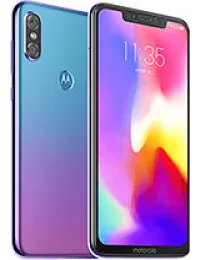
| Body | Dimensions | 157 x 75.3 x 8 mm (6.18 x 2.96 x 0.31 in) |
| Weight | 172 g (6.07 oz) | |
| Build | Glass front (Gorilla Glass 3), glass back (Gorilla Glass 3), plastic frame | |
| SIM |
· Nano-SIM · Nano-SIM + Nano-SIM |
|
| Features | Water-repellent coating | |
| Display | Type | IPS LCD |
| Size | 6.2 inches, 96.2 cm2 (~81.4% screen-to-body ratio) | |
| Resolution | 1080 x 2270 pixels, 19:9 ratio (~405 ppi density) | |
| Protection | Corning Gorilla Glass 3 | |
| Platform | OS | Android 9.0 (Pie), upgradable to Android 10 |
| Chipset | Qualcomm SDM632 Snapdragon 632 (14 nm) | |
| CPU | Octa-core (4x1.8 GHz Kryo 250 Gold & 4x1.8 GHz Kryo 250 Silver) | |
| GPU | Adreno 506 | |
| Memory | Card slot | microSDXC (dedicated slot) |
| Internal | 64GB 4GB RAM | |
| Features | eMMC 5.1 | |
| Main Camera | Dual |
12 MP, f/1.8, 1/2.8", 1.25µm, PDAF Auxiliary lens |
| Features | LED flash, panorama, HDR | |
| Video | 4K@30fps, 1080p@30/60fps, gyro-EIS | |
| Selfie camera | Single | 8 MP, 1/4.0", 1.12µm |
| Features | HDR | |
| Video | 1080p@30fps | |
| Sound | Loudspeaker | Yes |
| 3.5mm jack | Yes | |
| Comms | WLAN | Wi-Fi 802.11 a/b/g/n, dual-band, Wi-Fi Direct |
| Bluetooth | 4.2, A2DP, LE, aptX | |
| Positioning | GPS, GLONASS, GALILEO | |
| NFC | Yes (Europe model) | |
| Radio | FM radio | |
| USB | USB Type-C 2.0 | |
| Features | Sensors | Fingerprint (rear-mounted), accelerometer, gyro, proximity, compass (market dependent) |
| Battery | Type | Li-Ion 3000 mAh, non-removable |
| Charging | 15W wired | |
| Misc | Colors | Ceramic Black, Clear White |
| Models | XT1962, XT1962-4 | |
| SAR | 1.13 W/kg (head) 1.44 W/kg (body) | |
| SAR EU | 0.45 W/kg (head) 1.38 W/kg (body) | |
| Price | About 190 EUR | |
| Our Tests | Performance |
AnTuTu: 106292 (v7) GeekBench: 4755 (v4.4) GFXBench: 3.5fps (ES 3.1 onscreen) |
| Display | Contrast ratio: 1565:1 (nominal), 3.011 (sunlight) | |
| Camera | Photo / Video | |
| Loudspeaker | Voice 70dB / Noise 71dB / Ring 84dB | |
| Audio quality | Noise -93.6dB / Crosstalk -94.8dB | |
| Battery (old) | Endurance rating 66h |
Mini Review & Verdict
A smart summary of the Motorola Moto G7
Advantages
- Convenient 3.5mm analog headphone port for zero-latency wired audio
Disadvantages
- Network capability is capped at 4G LTE speeds without native 5G bands
- Employs standard LCD panel technology rather than deep-black AMOLED
Mobile entertainment aficionados will find an inspiring audiovisual stage in the Motorola Moto G7. The device is built around a captivating responsive IPS LCD display measuring 6.2 inches , providing high contrast levels, rich color gradation, and expansive viewing angles that elevate movie streaming and video gaming into a deeply engaging experience.
Powering graphics-intensive mobile gaming and high-resolution video decoding is the robust Qualcomm SDM632 Snapdragon 632 (14 nm). System animations glide effortlessly across the screen, backed by responsive touch sampling that gives players an agile edge during intense action. Complementing the visual prowess is an optical system—centered on a 12MP primary sensor—that excels in capturing high-fidelity photos with realistic depth-of-field and vibrant color tonality.
Extended entertainment sessions are sustained by a 3000mAh battery unit, backed by standard charging speeds for rapid turnaround between media binges. In summary, the Motorola Moto G7 stands out as a vibrant, multimedia-centric powerhouse that brings content vividly to life.
User Opinions
0 ReviewsPrice History
Track price trends for Moto G7 over the last 6 months




Be the first to review!